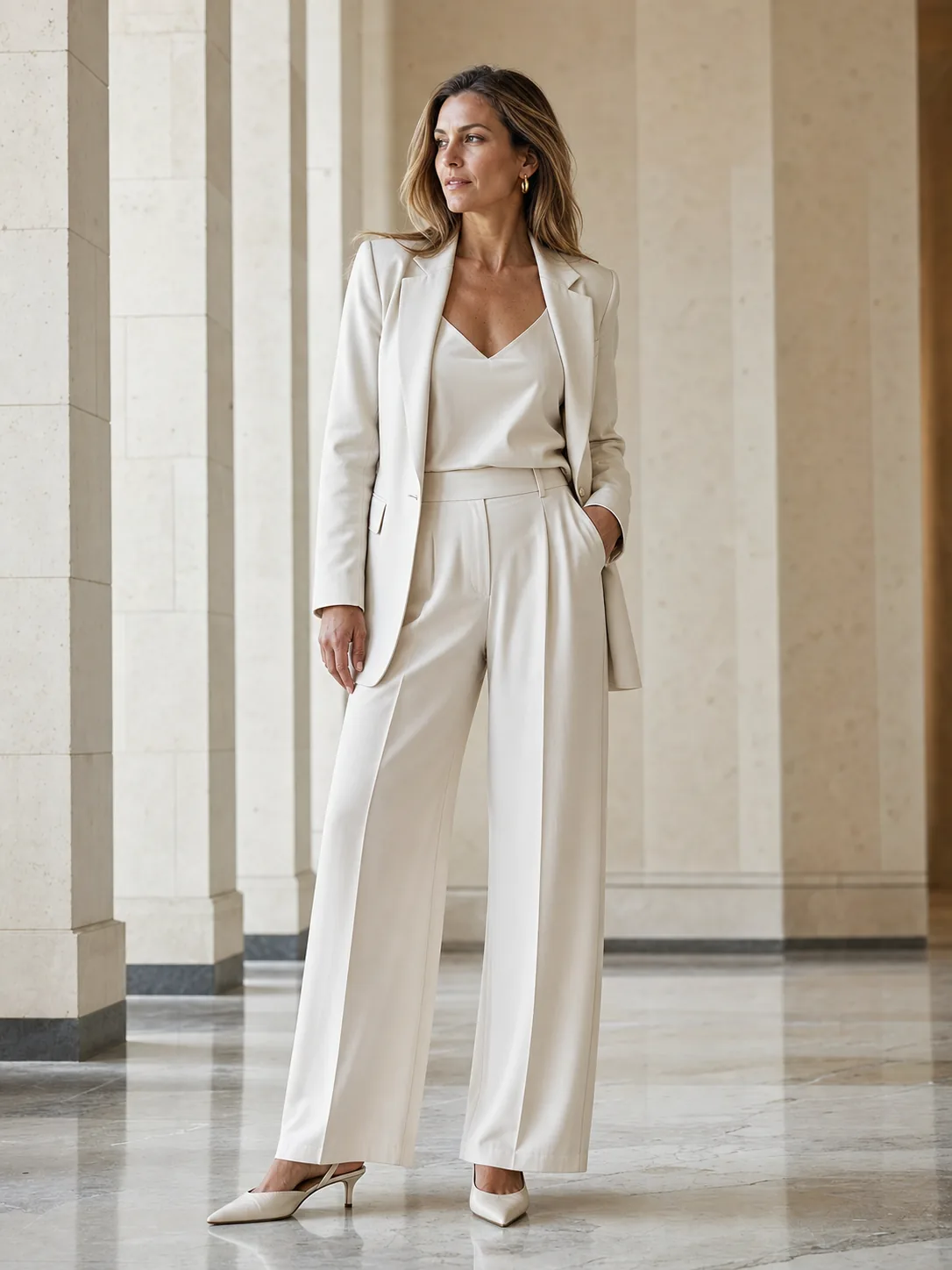
AI virtual try-on can help you explore whether you like a style direction on a generated version of your photo. It cannot establish which size to order, how a fabric moves, or whether the real garment is comfortable. In Lace Riot, treat the preview as a starting point and check the actual product before making a purchase.
A realistic image is not a measurement
A photograph contains visible shapes and colours, but it does not give Lace Riot verified body measurements or a retailer's garment specifications. The AI creates a new image from its inputs. It may adjust proportions, smooth fabric, change a seam or make an outfit appear to sit neatly without knowing what happens when you move.
Google's own Try-On help makes a similar distinction: a generated image is an approximation and does not guarantee actual garment fit. That is useful context for the category, not a comparison test between products. Lace Riot's own guidance is explicit that its images cannot confirm size, support, coverage, comfort or real-world appearance.
Decide what you are trying to learn
Before generating, make the question specific. You might want to explore a cream tailored look instead of dark eveningwear, compare an overall silhouette, or decide whether an outfit idea interests you enough to search for similar clothes. These are style questions. The image can be a reference for the discussion while remaining an imperfect synthetic representation.
Questions such as whether a waistband will dig in, a jacket will allow shoulder movement, or a bra will provide enough support require different evidence. Write down those questions separately. Keeping them visible prevents a convincing picture from answering them by implication.
- Style: do I want to explore this colour, shape or combination further?
- Sizing: how do my current measurements compare with this product's chart?
- Wear: what do its material, construction and care instructions tell me?
- Purchase: can I return or exchange this item under the seller's actual terms?
Check the listing, not just the thumbnail
Open the seller's page and confirm the exact product, colour and variant. Read its size chart and follow its measurement instructions; a familiar letter size is not a substitute for the chart provided for that item. If the listing gives garment measurements, check what each measurement means and whether it refers to the item laid flat or to a body measurement.
Look for material composition, lining, fastening, stretch information and clear photos from more than one angle. Customer reviews may offer context, but another person's experience does not guarantee yours. When an important dimension is missing or unclear, ask the seller for the specification before ordering rather than inferring it from the AI image.
Lingerie and underwear need their own checks
A lingerie preview may help you explore a lace, satin or bodysuit style. It cannot verify band or cup size, strap adjustment, support, seam placement, opacity or how the fabric behaves when stretched. Generated shadows and smooth edges are image details, not evidence of physical construction or coverage.
Read the real item's sizing instructions and material details. Check hygiene conditions, seals and any restrictions in the seller's return policy before paying. Those terms can differ between products and sellers. If you need a physical fitting, use a retailer's fitting service or assess the garment in person; Lace Riot does not provide a bra-fitting measurement service.
An example of a safer shopping decision
Suppose a generated cream pantsuit makes you want to explore that style. You find a visually similar suit through a shopping result. The preview has a straight trouser leg, but the seller's photographs show a tapered cut and the listing describes a different fabric. Treat that as a new candidate, not the physical version of the generated outfit.
Compare the seller's cut, measurements, material and return terms with what you want. You may still like it, choose another item or pause the purchase. This is an illustrative decision process, not a test result or a claim that try-on reduces returns. Visual similarity does not establish the same brand, construction or fit.
Keep useful evidence with the purchase
Before checkout, note the selected size and colour, relevant measurements, delivery cost and applicable return conditions. A short note helps when you later compare the delivered garment with the listing. If a preview changes your face, body proportions or key outfit details, discard it as a purchase reference.
The final fit decision happens with the physical item. Within the seller's conditions, check comfort, movement and the details that mattered to you. An AI image can help start a style search, but it cannot resolve those questions in advance.
THREE THINGS TO REMEMBER
- Use AI try-on for a style direction and inspect its changes to the source photo.
- Choose a size with the real product's measurements and sizing instructions.
- Verify material, construction, support, coverage and returns separately before buying.
Questions and answers
Can Lace Riot recommend my clothing size?
No. Lace Riot does not measure your body or determine a retailer's real garment fit. Use the seller's size chart, product measurements and fitting guidance.
Can AI lingerie try-on show bra support or accurate coverage?
No. A synthetic image cannot confirm support, opacity, stretch, comfort or physical coverage. Check the product specifications and assess the real item.
Is a similar shopping result the outfit in the preview?
Not necessarily. A result can have a different cut, material, colour, construction or brand. Open the original seller's listing and compare the details before purchasing.
Sources and references
- Google (2026). How the Google Try-On tool works. Google Shopping Help. Open source
Limitation: Official documentation reviewed on 12 October 2026. Google describes approximation and fit limitations for its own tool; this is not an independent accuracy study or evidence of Lace Riot performance.
- Lace Riot (2026). AI Virtual Try-On App: How It Works. Lace Riot product documentation. Open source
Limitation: Describes Lace Riot's synthetic previews and their limits. It does not establish exact sizing, fabric behaviour, support, comfort, coverage or reduced return rates.